
Orwell Was Not Warning Us About Pigs...
He Was Warning Us About Power. And Power Never Retires!

This is Part One of a Three Part Series. Not a book report. Not nostalgia. We are going to dissect what George Orwell was actually warning about in Animal Farm and why pretending it is “just history” might be the most dangerous mistake we make. Part Two gets into how the commandments change. Part Three gets personal.
Most people think Animal Farm is a clever little jab at communism.
Pigs take over. Power corrupts. The end.
That is the safe version. The classroom version. The version that lets everyone close the book and feel historically informed.
But that is not what Orwell was doing.
He was not writing about farm animals.
He was writing about us.
He was writing about how good intentions quietly turn into permanent power!
This Was Never About the Farm. It Was About Us.
Orwell was dissecting something far more dangerous than livestock.
He was exposing:
Language that gets weaponized.
Revolutions that sell hope and quietly deliver hierarchy.
Leaders who promise equality and slowly redefine it.
Animal Farm is not a period piece.
It is a pattern.
And patterns are what should make you uneasy.
The pigs did not seize control overnight. They earned trust first. They spoke about fairness. They promised dignity. They told the other animals they were finally free.
And the animals believed them.
Because they wanted to.
That detail matters.
The Real Villain Was Language
Four legs good. Two legs bad.
Simple. Catchy. Repetitive.
It feels empowering to chant something. It feels easier than thinking. Once the chant takes hold, complexity disappears.
Then come the edits.
No animal shall sleep in a bed.
Later it becomes no animal shall sleep in a bed with sheets.
No animal shall drink alcohol.
Later it becomes no animal shall drink alcohol to excess.
Tiny additions.
Small clarifications.
Reasonable adjustments.
Nothing dramatic.
Just revisions.
That is how power moves.
Not with sirens.
With semantics.
Orwell was not warning us about tanks in the streets.
He was warning us about definitions changing.
How Reformers Become the Elite
The pigs did not start as villains.
They started as reformers.
They believed the old system was corrupt. They believed they were different.
Then power became normal.
Privilege became justified.
Exceptions became necessary.
And slowly, almost imperceptibly, they began to resemble the very thing they replaced.
That is not ideology.
That is human nature.
Whenever authority centralizes in the name of safety.
Whenever dissent is reframed as danger.
Whenever leaders insist they alone can interpret the rules properly.
The pattern begins again.
Different era.
Same script.
The Genius of the Story
The revolution in Animal Farm did not collapse because it was loud.
It collapsed because it eroded.
Outrage faded.
Memory shortened.
Language shifted.
Reality adjusted.
By the time anyone noticed, the pigs were walking on two legs and giving speeches about how difficult leadership truly is.
And most of the animals convinced themselves nothing had really changed.
That is the brilliance of Orwell.
He did not write about tyranny arriving in an instant.
He wrote about it arriving in increments.
Why This Story Never Dies
Animal Farm endures because it does not belong to one regime.
It belongs to human nature.
Every generation believes it is too informed to be manipulated.
Every generation assumes tyranny would look obvious.
But control rarely arrives in chains.
It arrives in agreement.
It grows when small compromises feel reasonable.
It solidifies when people decide asking questions is more exhausting than staying quiet.
And by the time anyone realizes the system has shifted, the shift feels normal.
That is why this story never disappears.
Because the pattern never disappears.
Where This Is Going
Before we rush to apply this to any modern headline, sit with something bigger.
Orwell was not predicting a specific government.
He was exposing a cycle.
A cycle that begins with good intentions.
A cycle that survives on gradualism.
A cycle that depends on ordinary people assuming it could never apply to them.
In Part Two, we will walk through how the commandments change. Step by step. How a common enemy unifies. How authority expands quietly. How language softens hard truths. How exceptions become standard practice.
In Part Three, we make it personal. Which animal are we. The workhorse. The slogan repeater. The cynic who sees everything and says nothing.
The Unsettling Part
If the pattern Orwell described is not tied to one country or one decade, then it did not end.
It waits.
It adapts.
It learns the vocabulary of the moment.
It reappears wearing whatever moral costume the era finds comforting.
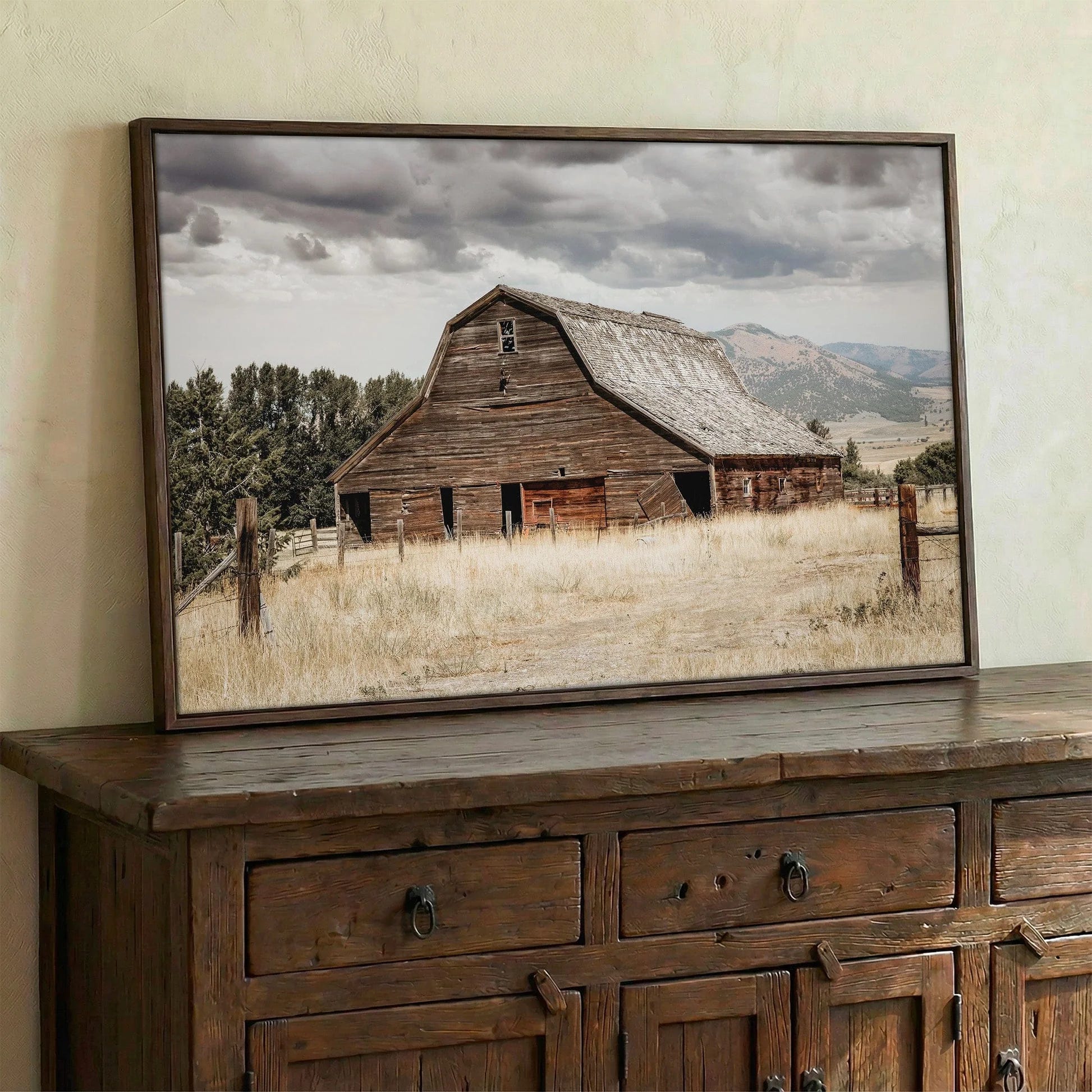
If the barn wall were being repainted in our own backyard, would we recognize the fresh paint.
Or would we tell ourselves it has always looked that way.
That is the unsettling part.
The ominous part is this.
History does not feel historic while you are living through it.
It feels normal.
Until one day it does not.
So here is the toast. To Part Two. To peeling back the language…
So here is the toast.
To Part Two.
To peeling back the language.
To examining how words like safety, equity, misinformation, democracy, and unity can be stretched, softened, and sharpened depending on who holds the brush.
To asking whether the commandments are being revised in real time.
To finding out whether we are alert enough to notice before the paint dries.
Because once language changes, reality follows.
And once reality follows, reversal becomes much harder.
Let me ask you something. Have you noticed any “commandments” changing in your own backyard?
Great article